An ethical research laboratory for stem cell therapy
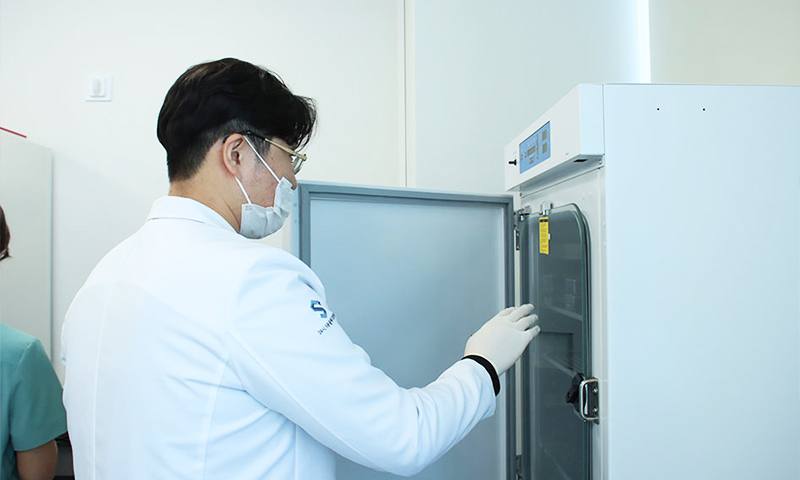
SALAB is the in-house research laboratory of S Animal Medical Center, researching stem cell therapy for animals with chronic and hard-to-treat conditions.
As an ethical laboratory, SALAB follows the principle of not conducting experiments that go against the interests of animals, and studies stem cell therapy as a non-surgical treatment option.
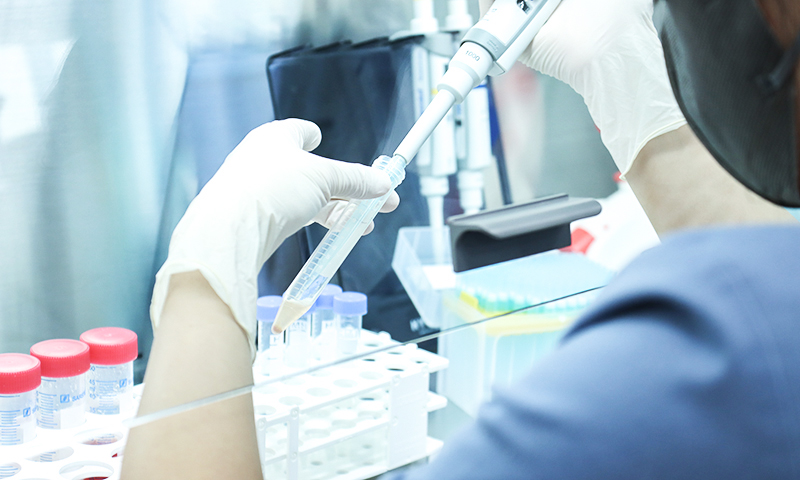
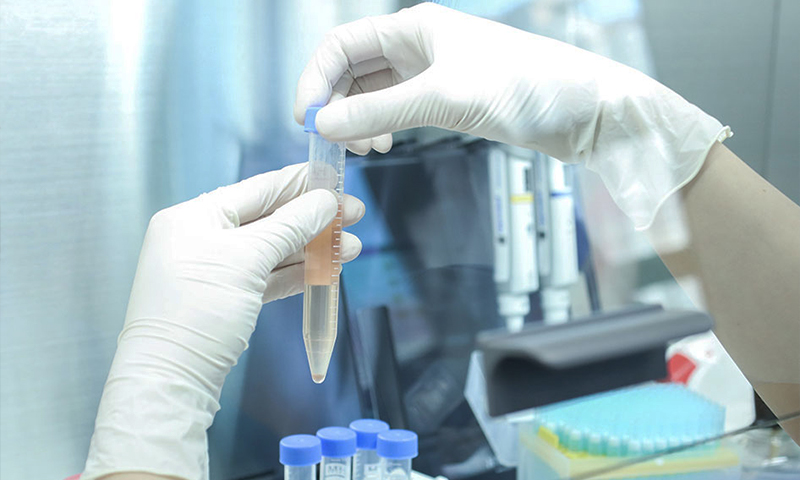
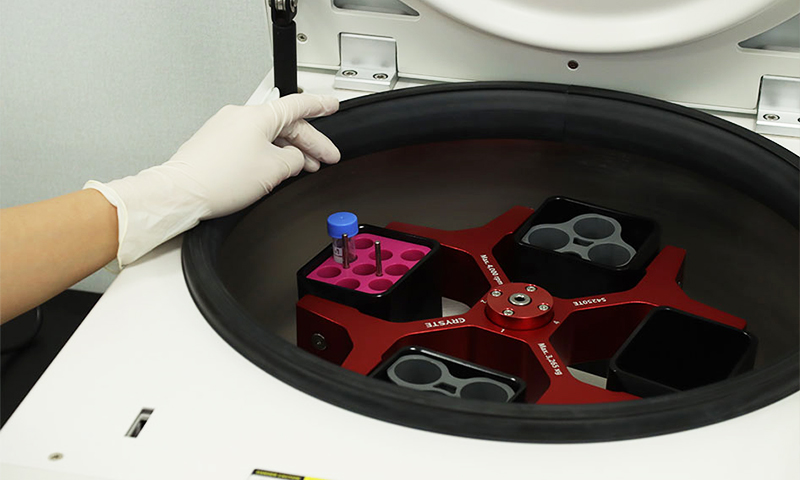
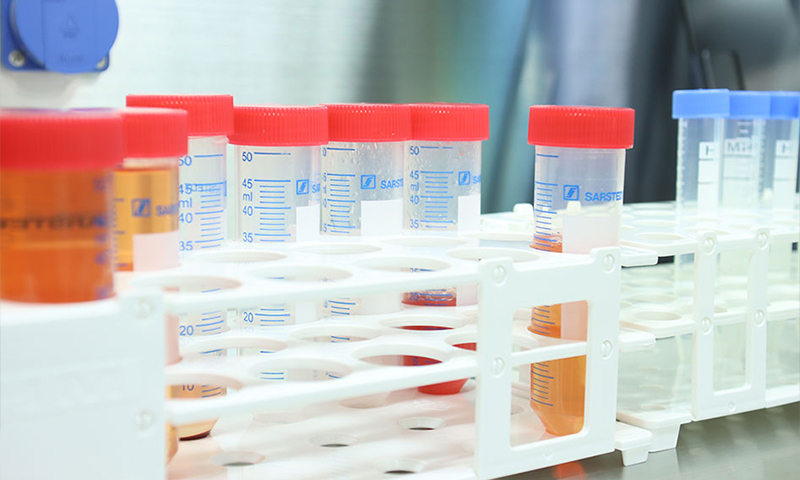
At SALAB, our research team isolates and cultures the stem cells in-house, and veterinarians with clinical experience in stem cell therapy carry out the treatment.
-
 The renewed SALAB Plus: healthier cell sources and more precise validation — wider access to treatment at a lower cost
-
 Isolation, culture and treatment all take place in our hospital, which helps reduce the risk of outside contamination
-
 Only mesenchymal stem cells (MSCs) that have passed characterization and validation testing are used
-
 Trained researchers isolate and culture the cells; veterinarians experienced in stem cell therapy carry out the treatment
What are stem cells?
Undifferentiated cells with the ability to renew themselves and differentiate into specific tissue types.Types of stem cells
- Embryonic stem cells
- Induced pluripotent stem cells
-
Adult stem cells
SALAB’s PICK!
What are adult stem cells?
Primitive cells one step before becoming organ tissue, such as hematopoietic, mesenchymal and neural stem cells. SALAB uses mesenchymal stem cells, which cause little immune rejection and have low tumorigenic potential (risk of forming tumors).
Which conditions can stem cell therapy be used for?
- Chronic or hard-to-treat disease that no longer responds to conventional treatment
- Patients who cannot tolerate medication because of side effects
- Patients for whom surgery is difficult
- Joint disease
- Disc disease
- Kidney failure
- IBD(inflammatory bowel disease)
- Skin disease
- Eye disease
Stem cell therapy may also be considered for other hard-to-treat conditions after a full consultation with the attending veterinarian, who will recommend the most suitable approach.
How does stem cell therapy work?
Stem cell therapy aims to help damaged tissue recover by reducing inflammation, modulating the immune system and supporting tissue regeneration.-
01
 (autologous or allogeneic)
Collection of fat tissue / bone marrow
-
02
 Stem cells are isolated in a sterile facility and only validated cells are cultured.
Stem cell
isolation & validation -
03
 Autologous stem cells are cultured and then used directly for treatment.
Cell culture
-
04

Cryopreservation
at −80 °C -
05
Stem cell treatment
(intravenous or direct injection)
Autologous stem cell therapy
Stem cells isolated from the patient's own fat tissue or bone marrow, collected under general anesthesiaAllogeneic stem cell therapy
For patients for whom general anesthesia is difficult, stem cells collected from a healthy donor dog or catInquiries about stem cell therapy
-
01

Book by phone or email
Questions and appointments by phone or email. -
02

Consultation
After a full consultation, the veterinarian plans an approach suited to your pet.
with the attending veterinarian -
03
Stem cell treatment
The method is chosen to suit the patient's conditionIntravenous, local, retinal or skin injection, among others -
04

Going home
Patients can go home the same day, without a hospital stayA hospital stay may be needed if surgery is performed at the same time.
Repeated treatments (every 2–4 weeks) are an important part of stem cell therapy.
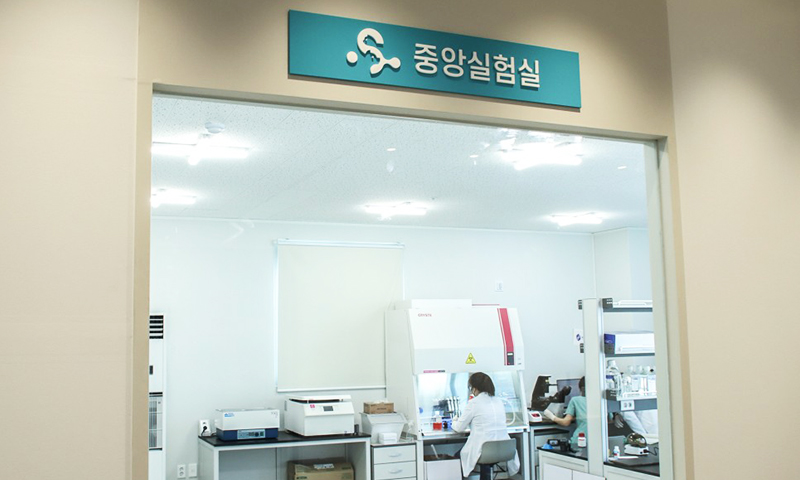
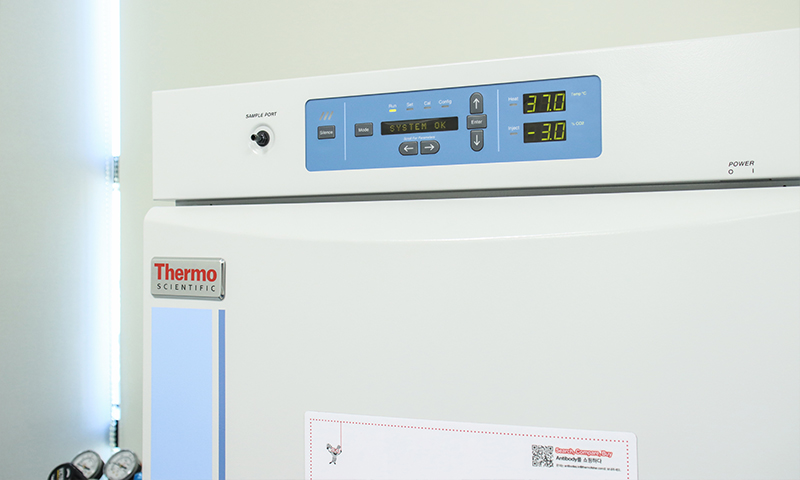
Inside the Stem Cell Center